
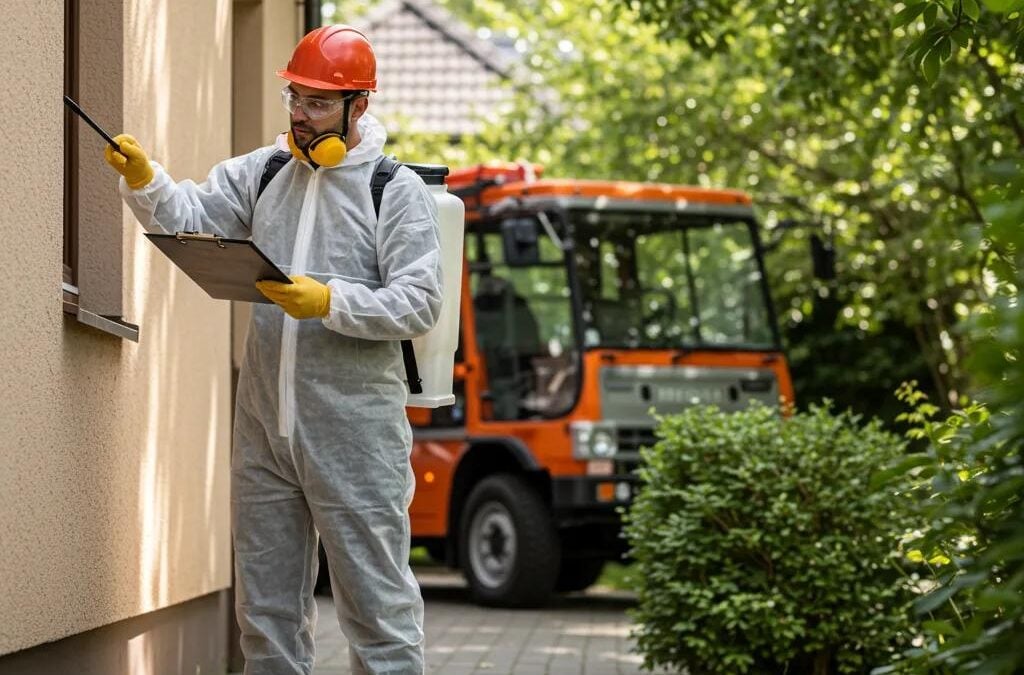
Comprehensive Pest Control Specialists Services: Expert Solutions for Termite, Rodent, Bed Bug, and General Pest Management
Over 50 percent of U.S. homes experience unwanted pest intrusions each year, leading to structural damage, health hazards, and sleepless nights. This guide unveils how professional pest control specialists deliver effective, eco-friendly protection tailored for your property’s unique needs. You will learn who these specialists are, how they tackle termites, rodents, and bed bugs, the scope of general pest management, sustainable Integrated Pest Management (IPM) practices, tips for finding reliable local experts, answers to common service questions, and emerging technologies that enhance safety and efficiency. With “pest control specialists” at the core, this resource maps every step to safeguard your home or business.
National Survey on Home Pest Problems
A national survey conducted by HomeTeam Pest Defense in 2012 found that 84% of American homeowners experienced a pest problem within the preceding 12 months. This highlights the widespread nature of pest intrusions in residential properties across the U.S..
This survey data supports the article’s opening statement about the high percentage of U.S. homes experiencing unwanted pest intrusions annually.
What Are Pest Control Specialists and How Do They Protect Your Property?
Pest control specialists are certified technicians or companies trained to identify, eliminate, and prevent infestations using science-based methods. By integrating inspection protocols, targeted treatments, and preventative strategies, they reduce health risks, property damage, and repeat visits. Their systematic approach leverages advanced diagnostics, customized service plans, and ongoing monitoring to ensure lasting pest-free environments.
Who Are Pest Control Specialists and What Services Do They Offer?
Certified pest control specialists encompass licensed technicians, entomologists, and service providers who assess infestation severity, design treatment regimens, and execute eradication or exclusion measures. They offer:
- Inspection and Risk Assessment – Detailed property surveys to pinpoint entry points and infestation hotspots.
- Chemical and Non-Chemical Treatments – Baiting, targeted spraying, heat treatments, and exclusion installations.
- Preventative Maintenance Plans – Scheduled visits to deter future invasions.
- Wildlife and Exclusion Services – Humane trapping and barrier installations for rodents and small mammals.
- Post-Service Reporting – Documentation of findings, actions taken, and recommendations.
These offerings ensure homeowners and businesses receive comprehensive coverage tailored to each pest scenario, seamlessly transitioning from identification to prevention.
What Are the Benefits of Hiring Certified Pest Control Experts?
Engaging certified professionals delivers proven guarantees, safety compliance, and technical expertise far beyond DIY methods. Certified specialists:
- Ensure Effective Eradication through EPA-approved formulations and precise application.
- Promote Health and Safety by reducing pesticide exposure with low-toxicity or non-chemical solutions.
- Offer Customized Solutions that fit structural and environmental variables.
- Provide Documentation and Warranties that protect your investment.
This level of service translates to peace of mind, saving time and money while maintaining healthy living or working spaces.
Safety Advancements in Modern Pest Control
Modern pest control solutions utilize low-toxicity, insect-specific, and EPA-approved products, making them significantly safer for people, pets, and the environment compared to older chemicals. Strategic and targeted application methods, often integrated with pest management techniques, further minimize risks to non-target organisms.
This research confirms that contemporary pest control practices prioritize health and safety through advanced product formulations and precise application, aligning with the article’s discussion on the benefits and safety of certified pest control experts.
How Do Pest Control Specialists Handle Termite Control and Inspection?
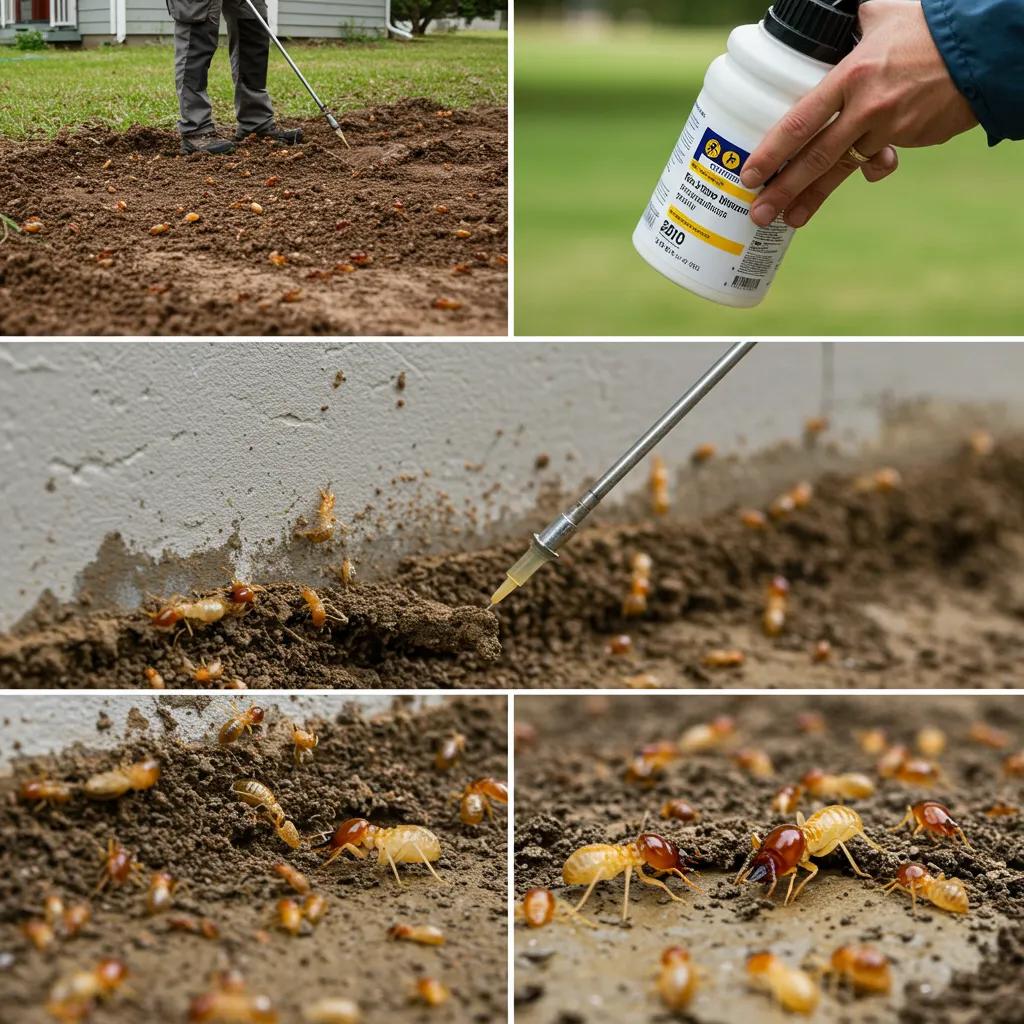
Termite management combines thorough inspection, accurate species identification, and multi-phased treatments to halt wood-destroying insects before major damage occurs. Specialists use soil or foam applications, baiting systems, and structural repairs to deliver durable protection.
What Are the Signs of Termite Infestation to Watch For?
- Mud tubes along foundations and walls
- Hollow or blistered wood surfaces
- Discarded wings near windowsills or door frames
- Soft-sounding or sagging wooden elements
Recognizing these indicators early empowers timely intervention and property preservation.
Which Treatment Methods Are Used for Effective Termite Eradication?
The following table compares key options:
How Much Does Professional Termite Control Cost?
Professional termite control typically ranges from $600 to $2,500 depending on property size, colony severity, and chosen treatment plan. Key cost drivers include:
- Inspection and Assessment Fees – Up to $150 for comprehensive surveys.
- Treatment Type – Baiting systems often cost more upfront but offer ongoing protection.
- Follow-Up Visits – Recurring inspections and maintenance plans influence overall investment.
Understanding these variables helps property owners budget effectively and choose plans that deliver the best value.
Professional Termite Treatment Costs and Factors
Professional termite control services typically range from $100 to over $1,500, with complex infestations or fumigation potentially costing between $1,200 and $3,000. The average cost for termite treatment is around $620, but can vary significantly based on infestation size, termite type, and treatment method.
This information provides verified cost ranges and influencing factors for professional termite control, directly supporting the article’s section on termite treatment costs.
Why Choose Eco-Friendly Termite Control Solutions?
Eco-friendly termite treatments leverage low-impact formulations or biological agents to minimize environmental and human health risks. Advantages include:
- Reduced Chemical Exposure for residents and pets
- Biodegradable Ingredients that break down without residue
- Integrated Pest Management (IPM) Compatibility supporting sustainable practices
Opting for green termite strategies maintains effective colony suppression while preserving ecosystem balance around your property.
What Are the Best Practices for Rodent Removal and Prevention by Pest Control Specialists?
Rodent control combines detection, exclusion, and population reduction through safe, humane methods. Specialists focus on sealing entry points, deploying monitoring systems, and educating clients on sanitation practices.
How Can You Identify a Rodent Infestation Early?
- Fresh droppings near food storage or concealed areas
- Gnaw marks on wiring, wood, or food packaging
- Scratching or scurrying sounds in walls or attics
- Burrows or runways along building perimeters
Prompt recognition prevents rapid population growth and extensive property damage.
What Humane and Eco-Friendly Rodent Control Methods Are Available?

Specialists emphasize non-toxic, humane strategies such as:
- Electronic Monitoring Traps that deliver a quick, humane kill without poisons.
- Live-Capture Traps with relocation in accordance with local wildlife regulations.
- Exclusion Techniques using metal mesh, sealants, and door sweeps to block entry points.
These methods protect non-target wildlife and minimize chemical hazards, aligning with sustainable pest management goals.
How Do Pest Control Specialists Prevent Future Rodent Problems?
- Seal All Gaps in foundations, utility penetrations, and eaves.
- Improve Sanitation by storing food in sealed containers and managing waste promptly.
- Install Monitoring Stations around critical areas for early warning.
Regular inspections refine these measures, closing vulnerability gaps and reinforcing defenses against re-infestation.
How Do Pest Control Specialists Provide Effective Bed Bug Treatment Services?
Professional bed bug control merges advanced detection with heat, chemical, and cryonite treatments to eradicate infestations at all life stages, ensuring restful sleep and comfort.
What Are Common Signs of a Bed Bug Infestation?
- Reddish or brown fecal spots on mattress seams and furniture
- Live bugs or shed exoskeletons near seams and headboards
- Clusters of tiny white eggs in crevices
- Itchy, red bites along exposed skin areas
Early detection leads to faster response and reduced treatment costs.
What Steps Are Involved in Professional Bed Bug Extermination?
A typical service comprises:
- Inspection and Mapping – Identify harborages using visual checks and canine detection dogs.
- Preparation and Pre-Treatment – Advise clients on laundry, clutter removal, and furniture positioning.
- Treatment Application – Use heat systems, steam, or targeted insecticidal sprays.
- Follow-Up Inspections – Verify eradication and treat any emerging hotspots.
Comprehensive execution across these phases maximizes elimination success and minimizes repeat visits.
How Can Customers Ensure Long-Term Bed Bug Prevention?
- Use Protective Encasements on mattresses and box springs.
- Inspect Luggage after hotel stays and launder garments at high heat.
- Schedule Routine Inspections with specialists for early detection.
These proactive steps significantly reduce the risk of reinfestation and preserve customer comfort.
What General Pest Control Services Do Specialists Offer for Residential and Commercial Properties?
General pest management covers a broad spectrum—from ants and spiders to flies and mosquitoes—using integrated tactics that adapt to home or business environments.
Which Common Pests Are Covered Under General Pest Control Plans?
General plans typically address:
How Are Customized Pest Management Plans Developed?
Custom plans emerge from a thorough evaluation of property layout, pest pressure, client preferences, and seasonal factors. Specialists integrate:
- Risk Profiling based on infestation history and environmental conditions.
- Tailored Treatment Schedules aligned to peak pest activity.
- Preventative Recommendations for landscaping, structural maintenance, and sanitation.
This bespoke approach ensures resources focus on the most impactful control measures and sustainable outcomes.
What Are the Advantages of Recurring Pest Control Services?
Ongoing service agreements yield:
- Continuous Monitoring for early pest detection.
- Guaranteed Coverage under warranty terms.
- Adaptive Treatments that evolve with seasonal pest cycles.
- Budget Predictability through flat-rate plans.
Recurring visits reinforce property defenses, delivering lasting relief and confidence in a pest-free setting.
How Do Pest Control Specialists Implement Integrated Pest Management (IPM) for Sustainable Control?
IPM is a science-driven methodology that emphasizes prevention, monitoring, and minimal-risk treatments to maintain pests below damaging levels.
What Is Integrated Pest Management and Why Is It Important?
Integrated Pest Management is a holistic framework combining biological, physical, and chemical tactics to manage pest populations sustainably. By prioritizing non-chemical methods, IPM reduces environmental impact, delays resistance development, and promotes long-term stability in pest management.
How Does IPM Combine Multiple Treatment and Prevention Methods?
- Inspection and Monitoring with traps and sensors.
- Threshold Assessment to determine action levels.
- Prevention through exclusion, habitat modification, and sanitation.
- Control using selective, low-toxicity treatments only when necessary.
This layered approach optimizes resource use and ensures effective suppression with minimal collateral effects.
Which Pests Are Best Managed Using IPM Strategies?
IPM excels with pests that thrive in human environments, including rodents, cockroaches, and stored-product insects. Its reliance on environmental modifications and targeted interventions makes it ideal for residential kitchens, food processing facilities, and schools where chemical use must be judicious and safe.
What Should You Know About Choosing Local Pest Control Specialists Near You?
Selecting a nearby expert ensures rapid response, local regulatory knowledge, and familiarity with region-specific pest pressures.
How to Find Reliable and Certified Pest Control Specialists in Your Area?
Look for providers with:
- State and EPA Certifications that guarantee compliance with safety standards.
- Memberships in professional associations for ongoing training.
- Transparent Pricing and Service Agreements that outline all costs and guarantees.
These credentials confirm expertise, trustworthiness, and commitment to best practices.
What Are Typical Service Areas and Response Times?
Most local specialists cover properties within a 20–50 mile radius, offering emergency callbacks within 24 hours for urgent infestations. Standard appointments can often be scheduled within 2–5 business days, balancing speed with thorough preparation.
How Do Customer Reviews and Guarantees Influence Your Choice?
Positive testimonials reflect consistent quality, while service guarantees demonstrate confidence in treatment efficacy. Providers offering re-service guarantees or money-back assurances show dedication to achieving permanent pest-free results, reinforcing customer trust and satisfaction.
What Are Common Questions About Pest Control Services Answered?
How Often Should Pest Control Be Done for Effective Results?
Regular treatments are recommended every 3–6 months depending on pest type, environmental conditions, and property usage. High-risk areas or commercial facilities often require quarterly visits, while stable residential settings may suffice with biannual maintenance. This frequency balances prevention with cost efficiency.
Is Pest Control Safe for Pets and Children?
Modern pest control solutions use low-toxicity products, targeted application techniques, and post-service ventilation to ensure safety for vulnerable occupants. Specialists follow EPA guidelines and provide clear re-entry intervals, making treatments compatible with family-friendly living spaces.
What Factors Influence the Cost of Pest Control Services?
Service pricing depends on:
- Property Size and Layout – Larger or complex structures require more time and materials.
- Pest Species and Infestation Severity – Difficult-to-treat pests or advanced infestations raise labor and product costs.
- Treatment Methods – Eco-friendly or heat-based options often carry higher up-front fees but reduce long-term risks.
Understanding these elements helps clients choose the plan that aligns with budget and performance expectations.
How Can You Prepare Your Home or Business for Pest Treatment?
- Declutter and Clean areas targeted for treatment.
- Cover or Remove Food and Utensils from kitchens and pantries.
- Vacate Treated Zones during chemical or heat applications as advised by the specialist.
Following these guidelines enhances treatment access and maximizes eradication success.
How Are Advanced Technologies and Innovations Shaping Pest Control Specialists’ Services?
What Role Do AI and Smart Traps Play in Modern Pest Management?
AI-enabled traps use sensors and machine learning algorithms to detect pest activity in real time, alerting technicians to hotspots before visible signs appear. This predictive monitoring accelerates response, reduces overall chemical usage, and refines treatment targeting for superior results.
How Are Drones and Thermal Imaging Used in Pest Inspections?
Unmanned aerial vehicles equipped with thermal cameras identify moisture-laden areas, hidden nests, or structural vulnerabilities on rooftops and inaccessible facades. Thermal imaging pinpoints early termite or rodent activity by detecting temperature anomalies, allowing specialists to intervene precisely and prevent widespread damage.
What Are the Benefits of Eco-Friendly Biopesticides and Sustainable Methods?
Biopesticides derived from botanical extracts, entomopathogenic fungi, or microbial strains offer potent control with minimal non-target impact. These green solutions degrade naturally, reduce chemical resistance development, and align with increasingly stringent environmental regulations—ensuring effective pest suppression without ecological compromise.
Continually evolving best practices, technological advances, and sustainable strategies define the expertise of today’s pest control specialists. By choosing certified professionals who integrate Integrated Pest Management with modern diagnostics and eco-sensitive treatments, property owners secure reliable, long-term protection against termites, rodents, bed bugs, and a wide range of nuisance pests. Empowered with this knowledge, you can confidently select “pest control specialists near me” whose services deliver proven results, environmental stewardship, and peace of mind for every home and business.