
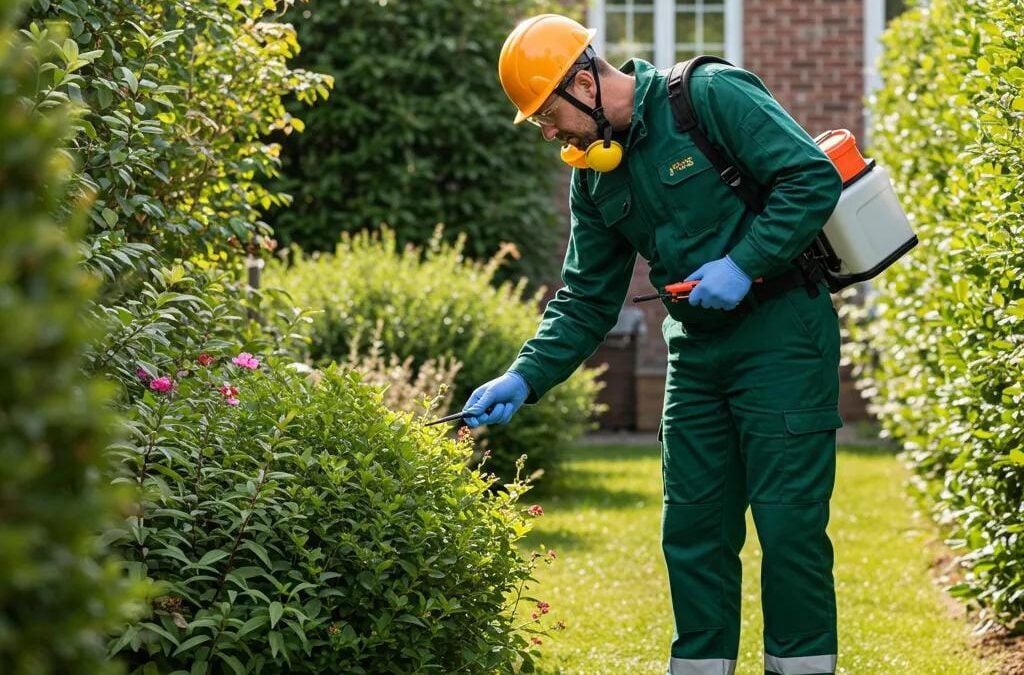
Professional Pest Control Services: Expert Solutions for Safe and Effective Pest Management
Did you know unaddressed infestations can lead to thousands of dollars in property damage each year? Professional pest control services deliver expert inspection, targeted treatment, and long-term prevention plans that safeguard homes and businesses. In this guide, you’ll discover what professional pest control entails, the most common pests treated, eco-friendly options, step-by-step service workflows, pricing influencers, criteria for choosing the right provider, and the latest innovations transforming the industry. Armed with this knowledge, you can select a qualified professional pest control company that enhances safety, effectiveness, and peace of mind.
The Impact of Pests on Property Value and How to Protect It
Pest infestations can significantly diminish the economic value of a property, with potential decreases as high as 20%. Termites, in particular, are noted as highly destructive pests that can lead to a substantial drop in property value, ranging from $8,000 to $20,000.
This research highlights the significant financial risks of unaddressed pest infestations, directly supporting the article’s claim about property damage.
What Are Professional Pest Control Services and Why Are They Essential?
Professional pest control services combine expert assessment, customized interventions, and ongoing monitoring to eliminate existing infestations and prevent recurrence. By employing licensed technicians, industry-approved treatments, and strategic prevention tactics, these services protect structures and occupants from health hazards and property damage. Understanding these essential components ensures an integrated approach that addresses both immediate pest removal and future risk reduction.
What Does Professional Pest Control Include?
Professional pest control includes a comprehensive inspection to identify infestation sources, targeted treatment to eradicate pests, and preventive measures that block reentry and minimize conducive conditions.
- Inspection: Technicians examine interior and exterior spaces using moisture meters, thermal imaging, and visual surveys to locate nests, entry points, and conducive factors.
- Treatment: Certified applicators deploy liquid termiticides, bait systems, fumigation, or eco-friendly biopesticides tailored to the pest species and infestation severity.
- Prevention: Service plans incorporate sealing cracks, installing exclusion barriers, and recommending landscape adjustments to deter future invasions.
Each phase builds on the previous one to deliver a pest-free environment and reinforce long-term protection against common and emerging threats.
How Do Certified Technicians Ensure Effective Pest Management?
Certified technicians ensure effective pest management by combining entomological expertise with precise application protocols and continuous monitoring. They interpret inspection data to select appropriate treatment methods, calibrate equipment for optimal dispersal, and verify results through follow-up visits. Ongoing training and adherence to EPA guidelines enable these professionals to improve eradication rates while minimizing health and environmental risks.
What Are the Benefits of Hiring Professional Pest Control?
Hiring professional pest control delivers guaranteed results through proven protocols, enhances safety with regulated products, and fosters peace of mind via service warranties.
- Guaranteed Results – Comprehensive service agreements often include re-treatment guarantees until the infestation is resolved.
- Health Protection – Safe application of EPA-registered insecticides and biopesticides reduces exposure to harmful chemicals.
- Time Savings – Expert technicians complete inspections and treatments efficiently, sparing customers from DIY trial-and-error.
These advantages combine to support healthier living and working environments without prolonging pest exposure.
Which Common Pests Do Professional Pest Control Services Target?
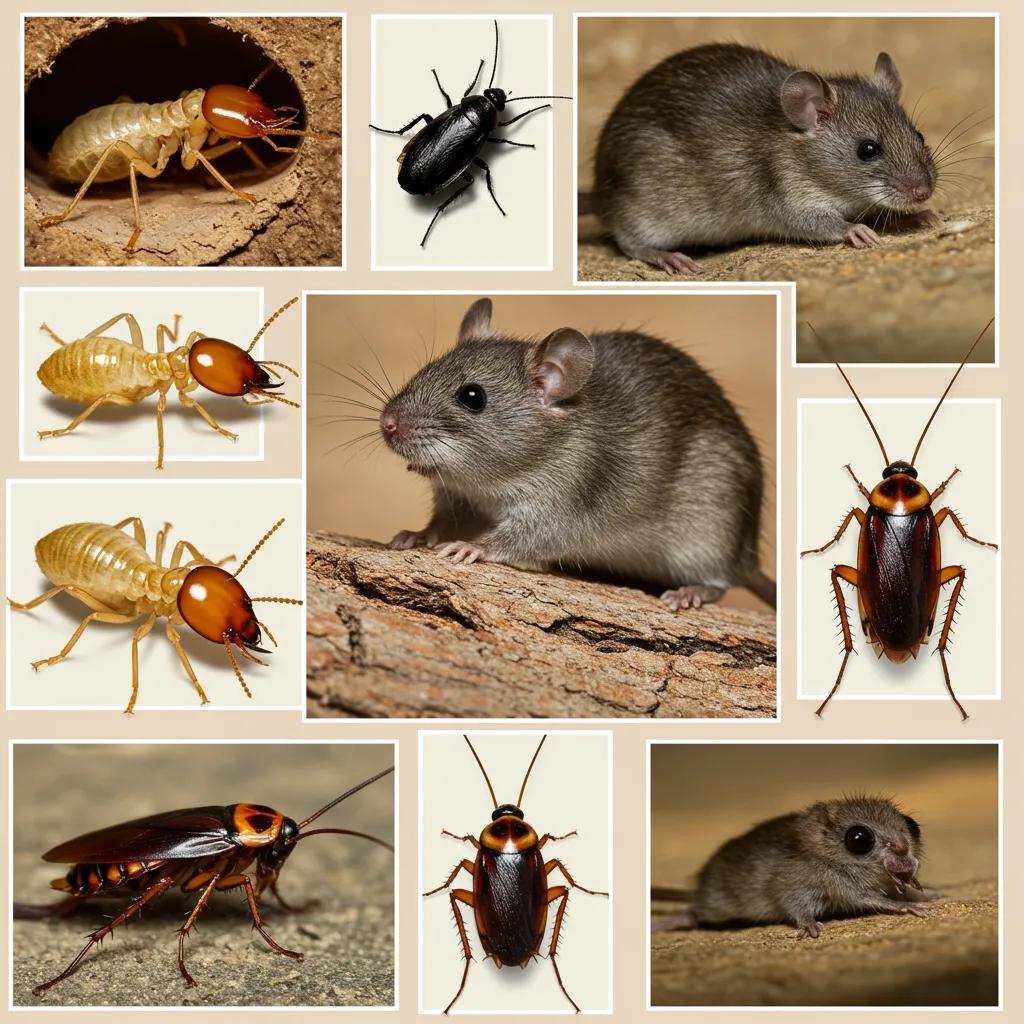
Professional pest control companies address a spectrum of household and commercial pests by tailoring interventions to each species’ biology and behavior. Specializing in subterranean insects, blood-feeding vectors, nuisance rodents, and more, these experts deliver precise eradication and long-term management solutions.
How Are Termites Identified and Controlled Professionally?
Before treatment, technicians look for mud tubes, hollow-sounding wood, and discarded wings to confirm termite presence. Effective control combines soil-applied termiticides, bait stations, and wood treatments that interrupt colony growth and prevent structural damage.
Professional termite control prevents costly repairs by targeting both visible activity and hidden colonies, ensuring comprehensive eradication.
What Are Effective Methods for Rodent Removal Services?
Rodent removal services leverage a blend of trapping, exclusion, and sanitation to remove rats and mice and prevent reentry.
- Snap traps and live-capture stations placed near runways eliminate rodents quickly.
- Exclusion work seals gaps around pipes, vents, and foundations to block access.
- Environmental sanitation removes food and water sources to discourage reinfestation.
This integrated strategy boosts removal rates and reduces the likelihood of future rodent activity.
How Is Mosquito Control Managed for Residential and Commercial Properties?
Mosquito control programs blend habitat reduction, larvicide applications, and adulticidal treatments to curb vector populations and lower disease risk.
- Habitat Reduction – Drain standing water from gutters, fountains, and containers.
- Larvicides – Apply microbial larvicide granules in breeding sites to prevent immature mosquitoes from developing.
- Adulticides – Use targeted mist sprays in vegetation hotspots to knock down adult populations.
A combination of inspections, treatments, and homeowner education supports sustained mosquito suppression in yards, parks, and commercial campuses.
What Are the Best Practices for Bed Bug Treatment and Extermination?
Successful bed bug extermination relies on thorough inspection, heat or chemical treatment, and strategic follow-up to confirm eradication.
- Inspect mattress seams, box springs, and furniture using flashlights and damp cloths to detect live bugs and eggs.
- Employ steam or heat treatments raising room temperature above 120°F to kill all life stages.
- Apply residual insecticides around baseboards and furniture legs to maintain a protective barrier.
A post-treatment inspection after one to two weeks verifies success and provides recommendations for preventing re-infestation.
How Do Professionals Handle Ant, Cockroach, and Spider Infestations?
Professionals control ants, cockroaches, and spiders by combining targeted baits, perimeter sprays, and habitat modification.
- Ants – Place gel baits and dust treatments at entry points to disrupt foraging trails and colony food flow.
- Cockroaches – Use insect growth regulator (IGR) baits inside cabinets and cracks to inhibit reproduction.
- Spiders – Apply residual sprays along wall-floor junctions and declutter environments to reduce web-building zones.
Coordinating multiple tactics ensures rapid knockdown and long-lasting suppression of crawling insects.
How Do Eco-Friendly Pest Control Methods Work and Why Are They Important?

Eco-friendly pest control methods integrate biological, physical, and cultural tactics that reduce reliance on synthetic chemicals while maintaining high performance. By supporting natural predators, employing heat or steam treatments, and using pheromone lures, these approaches protect ecosystems and human health without compromising efficacy.
What Are the Advantages of Eco-Friendly Pest Control?
Environmentally conscious pest management promotes biodiversity, reduces chemical exposure, and aligns with stringent regulations on pesticide use.
- Reduced Toxicity – Biopesticides based on bacteria or botanical extracts break down rapidly and pose minimal risk to non-target species.
- Safer Indoor Air – Heat or steam treatments eliminate pests without residual chemicals, preserving air quality.
- Regulatory Compliance – Sustainable protocols meet evolving EPA and state guidelines limiting hazardous active ingredients.
These benefits support healthy ecosystems and demonstrate a commitment to responsible stewardship.
Which Eco-Friendly Treatments Are Used by Professionals?
Specialized providers employ advanced green technologies that deliver high performance with minimal environmental impact.
Integrating these treatments into comprehensive service plans supports sustainable pest management that safeguards health and habitats.
How Does Integrated Pest Management (IPM) Support Sustainable Pest Control?
Integrated Pest Management (IPM) is an ecosystem-based strategy that combines monitoring, prevention, and control tactics to manage pests economically and with minimal environmental harm. By focusing on threshold-based interventions and leveraging biological controls, IPM supports long-term suppression rather than reliance on recurring chemical applications. This holistic approach reduces pesticide resistance, protects beneficial organisms, and enhances overall effectiveness.
Integrated Pest Management: Success Stories and Key Takeaways
Integrated Pest Management (IPM) has been shown to significantly reduce insecticide use, with studies demonstrating up to a 90% reduction for pests like the codling moth in apple and pear orchards. Economic assessments also indicate long-term cost savings, such as a 25% reduction in pest management expenses over a decade for IPM adopters in apple orchards.
This citation provides concrete evidence of IPM’s effectiveness in reducing chemical reliance and offering economic benefits, aligning with the article’s discussion on sustainable pest control.
What Is the Professional Pest Control Process from Inspection to Prevention?
How Is a Pest Inspection Conducted by Experts?
Expert pest inspections follow systematic protocols using specialized tools to uncover infestation sources and conducive conditions.
- Visual Survey – Technicians examine interior wall voids, attics, and crawl spaces for pest activity.
- Moisture Assessment – Moisture meters detect damp areas that attract termites and wood-destroying insects.
- Infrared Scanning – Thermal imaging cameras reveal hidden nests behind walls and ceilings.
Detailed inspection reports guide customized treatment plans that directly target identified problems and risk factors.
How Are Customized Treatment Plans Developed?
Customized treatment plans integrate inspection findings with client priorities, property characteristics, and pest biology.
- Assessment Review – Technicians analyze infestation severity, property layout, and environmental conditions.
- Method Selection – Choose from liquid barriers, bait stations, heat treatments, or eco-friendly options based on pest species.
- Scheduling – Create treatment and follow-up schedules that balance efficacy with minimal disruption to occupants.
Tailored plans enhance efficiency and ensure that every intervention aligns with long-term pest management goals.
What Follow-Up and Prevention Services Ensure Long-Term Pest Control?
Ongoing follow-up and prevention services reinforce initial treatments and maintain pest-free conditions over time.
- Quarterly or monthly inspections confirm the absence of pests and evaluate new risk factors.
- Preventive measures such as crack sealing, gutter cleaning, and landscape adjustments remove harborage sites.
- Maintenance treatments—spot applications or bait checks—address any reemerging activity promptly.
Continual monitoring and proactive upkeep bolster long-term protection and minimize the chance of reinfestation.
How Much Do Professional Pest Control Services Cost and What Influences Pricing?
What Factors Affect the Cost of Termite Control and Rodent Removal?
Several factors shape pricing for termite and rodent services, from infestation scope to treatment technology.
Are There Affordable Pest Control Plans for Residential and Commercial Clients?
Flexible pest control plans accommodate varying budgets and risk levels through tiered service packages:
- Basic Plan – Quarterly exterior inspections and spot treatments for general prevention.
- Standard Plan – Combination of interior/exterior inspections, targeted treatments, and year-round monitoring.
- Premium Plan – Integrated Pest Management approach with eco-friendly options, guarantee coverage, and emergency response.
How Can Customers Get Free Estimates and Service Quotes?
Requesting a free estimate is simple and risk-free:
- Contact the company via phone or online form to schedule an inspection.
- A certified technician visits the property, assesses pest activity, and discusses treatment options.
- Receive a detailed, no-obligation quote outlining services, timelines, and pricing tiers.
This transparent process empowers customers to compare proposals and choose the best fit for their property and budget.
How Can You Choose the Right Professional Pest Control Company Near You?
What Questions Should You Ask a Pest Control Company Before Hiring?
- Are your technicians licensed and certified by recognized bodies?
- Which treatment methods do you use for specific pests?
- Do you offer service guarantees or follow-up visits?
- What safety measures and eco-friendly options do you provide?
How Do Customer Testimonials and Service Guarantees Build Trust?
Customer testimonials and written service guarantees foster confidence by demonstrating proven results and accountability. Positive reviews highlight reliability, communication quality, and treatment effectiveness. Service warranties reassure clients that any persistent issues will be addressed at no extra cost, reinforcing the company’s dedication to long-term satisfaction.
Why Is Local Expertise Important for Effective Pest Control?
Local expertise ensures technicians understand region-specific pests, climate-driven activity patterns, and municipal regulations. This knowledge enables targeted prevention strategies—such as addressing common entry points in local building styles—and compliance with county or state pesticide laws. Partnering with a locally experienced company enhances treatment success and aligns with regulatory requirements, boosting overall effectiveness.
What Are the Latest Innovations and Technologies in Professional Pest Control?
How Are AI-Driven Detection and Smart Traps Changing Pest Management?
AI-driven detection systems use machine learning algorithms to analyze camera and sensor data, identifying rodent or insect movement in real time. Smart traps then automatically capture and notify technicians of pest presence, enabling rapid response and minimizing manual inspections. This integration boosts accuracy, reduces labor costs, and supports data-driven service planning.
AI-Driven Insect Detection, Real-Time Monitoring, and Population Forecasting in Greenhouses
Artificial Intelligence (AI) based methods, specifically Deep Learning (DL) models like YOLOv10, are enabling swift and effective insect detection. A study using a YOLOv10 DL model achieved an accuracy of 89.1% (mAP50) for insect detection, supporting early intervention strategies and sustainable pest management.
This research demonstrates the practical application and effectiveness of AI in modern pest management, directly supporting the article’s section on technological innovations.
What Role Do Drones and Thermal Imaging Play in Pest Inspections?
Drones equipped with high-resolution cameras and thermal sensors allow technicians to inspect roofs, attics, and inaccessible exteriors safely and efficiently. Thermal imaging reveals heat signatures of nests or animal burrows hidden behind walls or vegetation. Combining aerial and infrared technologies accelerates inspections and uncovers concealed problems without property disturbance.
How Are Contactless and Sanitation Services Enhancing Pest Control Post-COVID-19?
In response to heightened hygiene concerns, providers now offer contactless service options and integrated sanitation protocols. Technicians perform remote consultations for initial assessments, apply no-contact treatment methods, and use hospital-grade disinfectants alongside pest control to create cleaner, safer environments. These adaptations improve customer comfort and reinforce overall health protection.
Professional pest control services blend scientific insight, proven protocols, and continuous innovation to deliver safe, effective, and sustainable solutions. By understanding the full scope of offerings—from comprehensive inspections and targeted treatments to eco-friendly methods and cutting-edge technologies—you can confidently choose a qualified provider that meets your specific needs. Investing in professional expertise not only eradicates current infestations but also establishes lasting protection for homes and businesses, enhancing health and property value for years to come.