
Comprehensive Control Pest Control Services: Effective Solutions for Residential and Commercial Needs
Pest infestations threaten both health and property, but comprehensive control pest control services deliver targeted eradication and prevention tailored to every environment. By identifying common pests, deploying proven treatments, and integrating eco-friendly strategies, these services restore safety and peace of mind for homeowners and businesses alike. This guide explores the pests most frequently managed, residential and commercial protection methods, advanced termite solutions, the role of Integrated Pest Management (IPM), essential DIY prevention tips, and reasons to choose professional services for lasting results.
What Are the Most Common Pests Targeted by Control Pest Control Services?
Pest control services address a broad spectrum of invaders by pinpointing species, understanding their habits, and applying precise treatments that eliminate infestations and prevent recurrence. For example, insects such as ants and cockroaches often require baiting and sealing strategies, while rodents demand trapping and exclusion measures. Recognizing these common targets forms the foundation for tailored management plans.
Which Insects and Rodents Are Frequently Controlled?
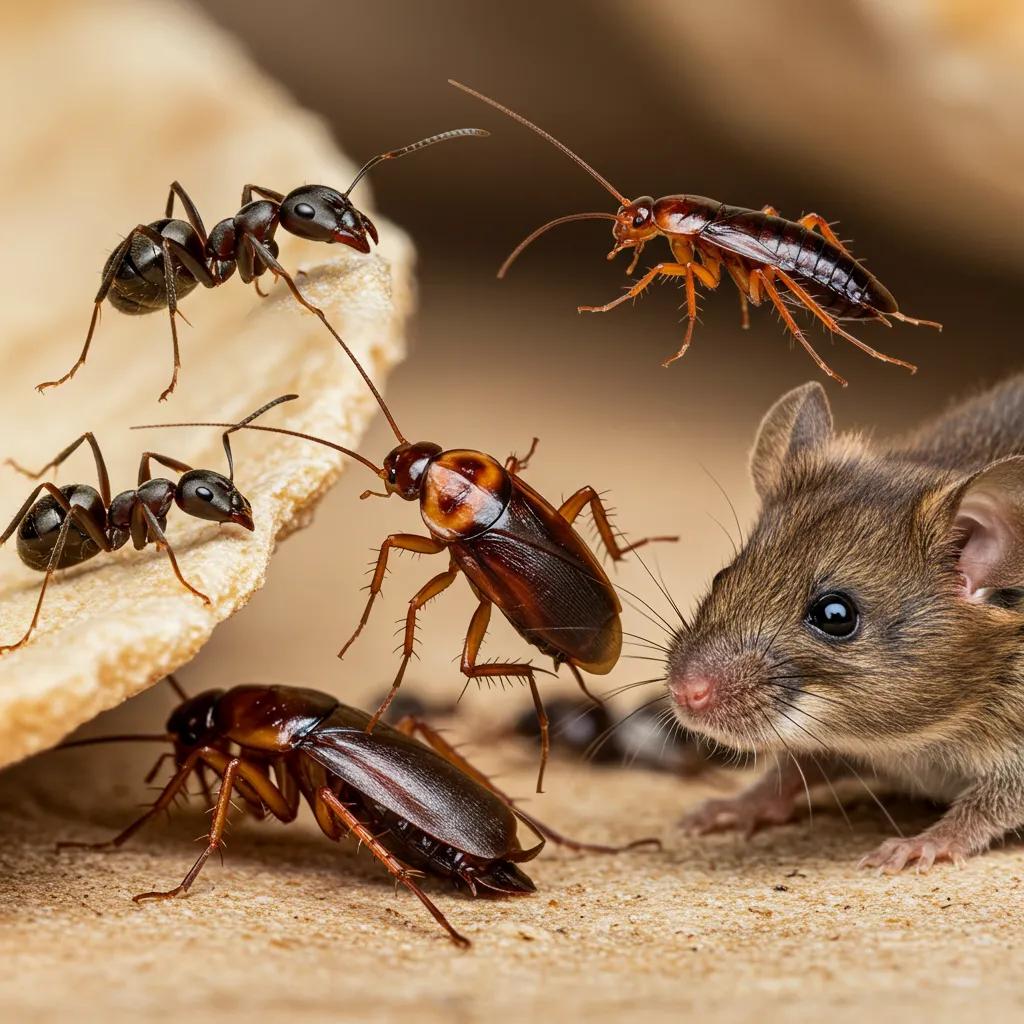
Below is an overview of the primary insect and rodent pests that professional services tackle regularly:
These pests thrive in human environments and demand targeted approaches, leading into an examination of how behavior shapes control tactics.
How Do Pest Behaviors Impact Control Strategies?
Pest behavior directly influences treatment timing, product selection, and preventive measures.
- Nocturnal Activity – Rodents and cockroaches forage at night, so bait placement must coincide with peak movement.
- Seasonal Breeding – Mosquito populations surge in warm months, requiring larvicide applications before egg hatching.
- Nesting Preferences – Ants create satellite colonies, so perimeter treatments target multiple entry points.
Understanding these patterns ensures that control methods align with each pest’s life cycle and habitat, setting the stage for assessing the damages they cause.
What Are the Risks and Damages Caused by These Pests?
Pest infestations pose significant threats to health and structures:
- Structural Damage – Termites and carpenter ants weaken wood framing, compromising building integrity.
- Disease Transmission – Cockroaches, rodents, and mosquitoes carry bacteria and viruses that endanger occupants.
- Contamination – Food sources become tainted by droppings, leading to spoilage and waste.
Recognizing these risks underscores the necessity of professional intervention to safeguard both health and property.
How Do Residential Pest Control Services Protect Your Home?
Residential services combine thorough inspections, targeted treatments, and ongoing maintenance to create pest-free living spaces. By integrating preventive measures and safe product choices, homeowners enjoy lasting protection without exposing families or pets to unnecessary chemicals.
What Are Effective Ant and Rodent Control Methods for Homes?
Eliminating ant and rodent infestations relies on precision tactics that address both active colonies and entry points. Key methods include:
- Bait Stations – Attractively packaged rodenticides or ant gels deliver toxicants back to nesting sites.
- Exclusion Sealing – Sealing cracks and gaps prevents pests from entering living areas.
- Mechanical Traps – Snap traps and electronic rodent eliminators remove individual animals without chemicals.
Implementing these strategies reduces foraging activity and discourages new infestations through habitat modification.
How Is Mosquito Control Managed in Outdoor Residential Areas?
Mosquito management in yards integrates habitat reduction with targeted treatments to suppress populations and lower disease risk. Common approaches include:
Combining these tactics delivers rapid knockdown and sustained control, allowing families to enjoy outdoor spaces safely.
What Are Best Practices for Spider and Bed Bug Prevention?
Preventing spiders and bed bugs requires ongoing vigilance and habitat management:
- Seal Gaps and Cracks around windows, doors, and baseboards to block entry.
- Reduce Clutter in storage areas and under beds to eliminate hiding spots.
- Use Mattress Encasements rated for bed bugs to prevent bites and nesting.
These measures disrupt sheltering opportunities and lower the chance of reinfestation.
How Does Eco-Friendly Pest Control Benefit Families and Pets?

Eco-friendly pest control leverages reduced-toxicity products and biological agents to protect occupants and the environment. Advantages include:
- Non-Toxic Baits – Botanical extracts deter pests without harming children or pets.
- Biological Predators – Beneficial nematodes target soil-dwelling pests naturally.
- Targeted Applications – Spot treatments minimize overall pesticide use while maintaining effectiveness.
Adopting green methods ensures safety for sensitive individuals and supports local ecosystems.
Exploring the Benefits of Eco-Friendly Pest Control for a Healthier Home Environment & The Rise of Eco-Friendly Pest Control: A Sustainable Future
Eco-friendly pest control methods prioritize natural and sustainable materials, minimizing environmental impact and reducing exposure to toxic substances for families and pets. These approaches support biodiversity, improve indoor air quality, and can lead to long-term savings by preventing future infestations.
This citation supports the article’s discussion on the advantages of eco-friendly pest control, emphasizing its benefits for health, safety, and environmental sustainability in residential settings.
What Commercial Pest Management Solutions Ensure a Safe Business Environment?
Commercial pest management safeguards operations by blending compliance protocols with industry-specific best practices. Tailored treatments minimize health code violations, protect inventory, and uphold brand reputation.
How Is Pest Control Customized for Restaurants and Food Service?
Food establishments require strict adherence to safety standards through focused sanitation and monitoring routines:
- HACCP-Aligned Inspections – Regular audits follow Hazard Analysis and Critical Control Point guidelines.
- Critical Control Zone Treatments – Target grease traps, kitchen drains, and storage areas with gel baits and sanitizer-approved sprays.
- Employee Training – Staff learn to identify early pest signs and maintain hygiene practices.
These measures ensure consistent compliance and reduce the risk of shutdowns due to infestation.
What Are Effective Pest Control Strategies for Office and Industrial Spaces?
Offices and industrial sites benefit from proactive surveillance and minimal-disruption techniques:
- Integrated Monitoring – Digital sensors and traps track pest activity in real time.
- Rodent Bait Stations – Locked stations placed along walls prevent unauthorized access.
- Insect Light Traps – UV-baited devices capture flying insects without chemical sprays.
Employing these solutions keeps work environments clear of pests while respecting operational efficiency.
How Do Compliance and Prevention Play Roles in Commercial Pest Control?
Regulatory adherence and ongoing prevention work hand in hand:
- Record-Keeping – Detailed logs of inspections and treatments demonstrate due diligence.
- Sanitation Protocols – Regular cleaning schedules remove food and moisture sources that attract pests.
- Preventative Maintenance – Routine sealing and structural repairs block access points before infestations develop.
A combined focus on compliance and prevention establishes a robust defense against recurring issues.
What Are the Latest Termite Treatment Solutions in Control Pest Control?
Termite management has evolved beyond blanket soil drenches, offering precise, lower-impact alternatives that eliminate colonies while preserving structural materials.
How Are Termite Inspections Conducted and What Are Warning Signs?
Termite inspections leverage both visual assessment and specialized detection tools to confirm presence before damage escalates. Common indicators include:
- Mud Tubes – Earth-covered tunnels along foundations signal subterranean access.
- Hollow Wood – Tapping beams reveals empty cavities from interior feeding.
- Discarded Wings – Piles of translucent wings near entry points indicate swarm activity.
Early detection enables prompt intervention, reducing repair costs and structural risk.
What Treatment Methods Are Used for Different Termite Types?
Different termite species require distinct approaches based on biology and colony structure:
Termite Bait Study & Evaluation of Bait Station System Efficacy for Reduced-Risk Subterranean Termite Management in California
Research indicates that termite baiting systems are highly effective in eliminating subterranean termite colonies and preventing structural infestations over a two-year period. These systems work by attracting termites to bait, which they then carry back to the colony, leading to its elimination.
This directly verifies the article’s claims regarding the effectiveness of baiting systems as a modern termite treatment solution, highlighting their ability to eliminate entire colonies.
How Does Integrated Pest Management Enhance Termite Control?
IPM combines monitoring, baiting, and minimal chemical use to achieve sustainable outcomes:
- Colony Monitoring Devices track termite activity without constant chemical exposure.
- Targeted Bait Stations reduce reliance on broad-spectrum insecticides.
- Cultural Controls like moisture management discourage termite establishment.
This balanced approach delivers effective suppression while safeguarding non-target organisms and building materials.
What Are the Long-Term Prevention Measures Against Termites?
Maintaining termite-free structures requires ongoing vigilance and habitat modification:
- Soil-Injected Barriers – Creates a lasting chemical zone around foundations.
- Physical Barriers – Stainless steel mesh and specialized membranes block entry points.
- Regular Inspections – Semiannual inspections catch new activity before damage occurs.
- Moisture Control – Proper drainage and ventilation reduce conducive conditions.
These measures form a comprehensive shield that deters reinfestation and preserves structural integrity.
How Does Integrated Pest Management (IPM) Improve Control Pest Control Outcomes?
Integrated Pest Management (IPM) is a strategic framework that emphasizes inspection, least-toxic interventions, and continuous evaluation to deliver effective and sustainable pest control results.
What Are the Principles and Benefits of IPM?
IPM follows a defined sequence of actions that optimize control efficacy and safety:
- Inspection and Identification – Accurate species determination guides targeted treatments.
- Threshold Establishment – Action levels prevent unnecessary applications.
- Control Implementation – Combines cultural, physical, biological, and chemical tactics.
- Monitoring and Evaluation – Ongoing assessment ensures treatments remain effective.
Integrated Pest Management: An Update on the Sustainability Approach to Crop Protection
Integrated Pest Management (IPM) is a framework that promotes sustainable agriculture by combining various strategies to reduce reliance on chemical pesticides. It fosters biodiversity, safeguards ecosystem services, and offers economic benefits through reduced input costs and improved crop yields, while also promoting food safety and quality.
This research directly supports the article’s section on Integrated Pest Management, detailing its principles, benefits, and eco-friendly techniques for sustainable pest control outcomes.
Which Eco-Friendly Techniques Are Used in IPM?
IPM incorporates green strategies that maintain control while minimizing toxicity:
- Biological Control Agents – Beneficial insects and nematodes prey on pest species.
- Pheromone Traps – Species-specific lures enable precise population monitoring.
- Physical Exclusion – Sealing and screening prevent access without chemicals.
These options support sustainable pest suppression and align with green building standards.
How Does IPM Reduce Environmental and Health Risks?
By prioritizing non-chemical tactics and spot treatments, IPM lowers exposure for humans, pets, and wildlife:
- Selective Application – Only treat infested zones rather than entire structures.
- Low-Residue Products – Use botanical and microbial products with minimal persistence.
- Habitat Modification – Remove attractants such as debris and standing water.
The result is a safer environment and reduced chemical footprint without sacrificing control performance.
How Is IPM Applied in Residential and Commercial Settings?
Below is a comparison of IPM tactics across property types:
Adapting IPM to each context ensures maximum effectiveness while meeting specific operational needs.
What Are the Best Pest Prevention and DIY Tips to Support Control Pest Control?
Supplemental DIY measures empower occupants to reduce infestation risks and complement professional services for a more resilient approach.
What Are Top Home Pest-Proofing Strategies?
Implementing preventive barriers and sanitation practices eliminates entry opportunities and food sources:
- Seal cracks around pipes, vents, and doors to block pest entry.
- Store food in airtight containers to deny pests an accessible food supply.
- Maintain yard vegetation at least 12 inches from building walls to reduce insect harborage.
- Install door sweeps on exterior doors to close small gaps.
These actions establish a primary defense and simplify ongoing professional management.
How Do Seasonal Changes Affect Pest Activity and Control?
Pest populations shift with temperature and humidity, demanding adjustment of preventive and treatment schedules.
- Spring: Ants and termites emerge from overwintering, requiring perimeter sealing and baiting.
- Summer: Mosquito breeding peaks, calling for larvicide applications and barrier sprays.
- Fall: Rodents seek warmth indoors, increasing the need for trapping and exclusion.
- Winter: Indoor pests like cockroaches become more active in heated spaces, prompting targeted interior monitoring.
Aligning strategies with seasonal cycles maximizes control efficiency and reduces reactive interventions.
How Can Understanding Pest Behavior Help Prevent Infestations?
Knowledge of pest habits empowers proactive measures that disrupt critical life stages:
- Feeding Patterns – Scheduling bait placements where pests forage improves uptake.
- Nest Locations – Removing debris and sealing gaps deters colony establishment.
- Reproduction Cycles – Timed treatments interrupt breeding before populations expand.
Applying behavioral insights enhances prevention and complements professional protocols.
When Should You Call Professional Pest Control Services?
Engaging experts becomes essential when:
- Infestations exceed small DIY treatment scope.
- Structural damage from termites or rodents emerges.
- Health risks escalate due to disease-carrying pests.
- Recurring issues persist despite preventive efforts.
Recognizing these thresholds ensures timely, effective intervention and safeguards long-term property integrity.
Why Choose Professional Control Pest Control Services for Effective Pest Management?
Professional pest control services deliver unmatched expertise, advanced technology, and guaranteed solutions that outpace DIY methods and conventional providers.
What Unique Value Propositions Differentiate Our Pest Control Services?
Our pest management stands out through:
- Licensed Technicians – Certified experts apply industry best practices with precision.
- Eco-Conscious Options – Green treatments protect families and the environment.
- Service Guarantee – Follow-up visits ensure lasting results at no extra cost.
- Customized Plans – Solutions tailored to specific pest profiles and property needs.
These attributes reinforce trust and deliver measurable peace of mind.
How Do Our Technicians Use Advanced Tools and Methods?
Harnessing cutting-edge equipment and techniques, our teams achieve superior outcomes:
- Thermal Imaging Cameras – Detect hidden termite activity behind walls.
- Precision Gel Baits – Target resistant ant species with minimal product use.
- Digital Pest Monitoring – Real-time data guides proactive adjustments.
- Eco-Safe Micro-Sprays – Deliver localized control without surface residues.
Advanced tools enhance detection accuracy and reduce treatment footprint for occupants.
What Are Customer Testimonials and Success Stories?
Clients consistently report satisfaction with our comprehensive approach:
- A homeowner praised rapid elimination of a stubborn bed bug infestation within one week.
- A restaurant manager highlighted zero pest sightings after implementing our HACCP-aligned program.
- An office complex director commended reduced rodent activity and cleaner workspaces after monthly monitoring.
These success stories illustrate the reliability and impact of professional intervention.
How Can You Schedule a Free Inspection or Request a Quote?
Booking an inspection is simple and obligation-free:
- Contact our office by phone or email to arrange a convenient time.
- Provide basic property details to customize the assessment.
- Receive a detailed report and transparent cost estimate within 24 hours.
- Approve the plan and enjoy prompt treatment scheduling.
This streamlined process ensures clarity and confidence from the first step.
Control pests effectively through professional expertise, targeted solutions, and sustainable practices that protect your home or business. Partner with expert technicians to eliminate infestations at their source, preserve structural integrity, and maintain a healthier environment. Schedule your free inspection today to discover how tailored pest control plans can deliver long-term peace of mind and safety.